
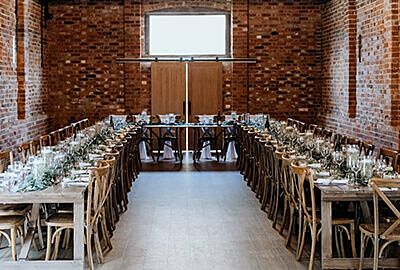
Sustainable Commercial Furniture: What Buyers Should Look For
When you're sourcing furniture for a busy venue, an office, or a restaurant, the word "sustainable" can feel a bit hollow. Every brochure claims it, and every salesperson pitches it. But when you need tables and chairs that can survive hundreds of hectic events without falling apart, you can’t afford to buy based on a vague eco-friendly sticker.
True sustainability isn't about jumping on a green trend. It’s about buying things that last. The most environmentally friendly chair is simply the one you don't have to throw into a skip three years from now.
If you want to make sure your next inventory upgrade actually does right by the planet (and your budget), here is what you should really be looking for.
Look for Certified Timber, Not Just "Wood"
It’s easy to look at a rustic wood trestle table and assume it’s green because it’s a natural material. But where did that wood actually come from?
Always check for FSC (Forest Stewardship Council) or PEFC certification. It sounds technical, but it’s the only real proof that the timber was harvested from a responsibly managed forest rather than a clear-cut woodland. If a supplier can't tell you where their wood comes from, it's usually a red flag.
The same goes for metals and plastics. If you're buying outdoor bistro seating or lightweight stacking chairs, look for recycled polypropylene or powder-coated steel. Powder coating is far better than traditional solvent paint because it doesn't release nasty chemical vapours (VOCs) during the manufacturing process.
The "Saturday Night" Strength Test
A piece of furniture might be made of 100% reclaimed driftwood, but if a leg snaps during a busy wedding reception, it's a waste of raw materials.
Commercial spaces are brutal on furniture. Chairs get stacked, dragged, dropped, and sat on by people of all shapes and sizes for hours on end. Domestic furniture will buckle under that kind of pressure within months.
Always ask if the furniture is contract-grade or tested to British and European strength standards (you’ll often see these listed as BS EN standards). A certified frame means it has been mechanically stressed thousands of times to mimic years of heavy use. If it can handle that, it won't end up in a landfill prematurely.
Can You Fix a Single Part?
Accidents happen. A guest drops a heavy object and gouges a tabletop, or a seat pad gets permanently stained with red wine. In the past, a single point of damage often meant the whole piece of furniture was destined for the bin.
Smart buyers now look for modularity and repairability:
Detachable components: Can you unscrew the legs from the tabletop to replace just one damaged part?
Replaceable seat pads: Can the fabric or faux-leather pads on your banqueting chairs be swapped out easily without buying entirely new frames?
Sacrificial parts: Look for chairs with easily replaceable plastic feet glides. They protect your venue's floors, but they also protect the chair legs from wearing down. When they wear out, you pop a new 50p plastic cap on, rather than replacing a £40 chair.
Timeless Shapes Beat This Year's Trend
It is incredibly tempting to fit out a space using the exact aesthetic that's trending on social media right now. The problem with hyper-trendy furniture is that it dates fast. What looks cutting-edge today might look tired and old-fashioned in four years' time, prompting a costly and wasteful aesthetic overhaul long before the furniture is physically worn out.
Sticking to classic, versatile shapes, like elegant Chiavari chairs, simple wooden crossbacks, or clean-lined folding tables, gives you longevity. You can easily change the entire vibe of a room with different linens, lighting, or wall colours, while your core furniture investment remains completely timeless.
The Checklist
Before hitting "order" on a bulk delivery, ask the supplier these four things:
Is the timber fully traceable and certified?
Has it passed commercial strength and safety testing?
Can I buy spare parts or replacement pads if something breaks?
Will this design still look good in five years?
Buying sustainably isn't about paying a massive "green premium" or compromising on the look of your venue. It’s just about being intentional. When you focus on heavy-duty build quality and repairable designs, you do right by the environment, and you save your business a massive headache down the line.
Prefer to have an AI Summary?
Chat GPT
Perplexity AI
Google Gemini AI


